
What $200K-$700K Really Buys Around Spencer and Charlton
What $200K-$700K Really Buys Around Spencer and Charlton
Price points sound simple on paper, but in practice, a budget can open very different doors depending on layout, condition, lot size, and location. Around Spencer and Charlton, that range can include everything from compact homes with renovation potential to larger properties with updated interiors, more land, or flexible bonus space. For buyers trying to understand what their money may translate to in the current market, the most useful lens is not just price alone, but value across space, features, and long-term fit.
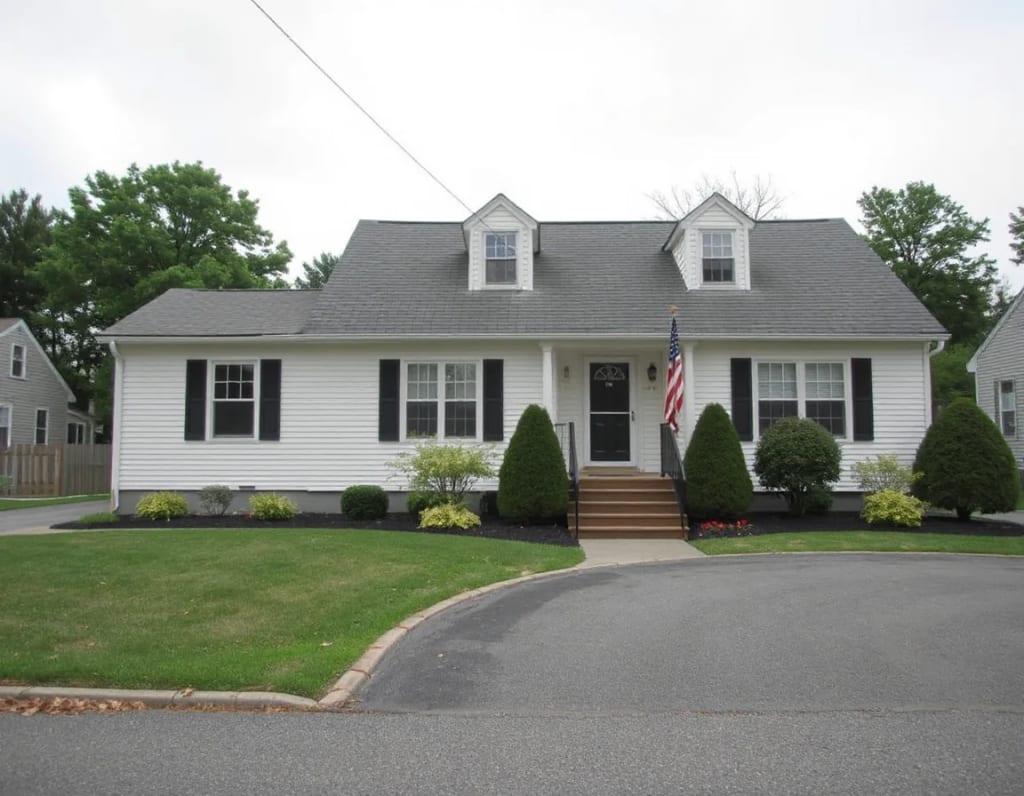
In the lower end of the range, roughly around $200,000 to the low $300,000s, buyers may see smaller single-family homes, older capes, ranches, or properties that need cosmetic updates or more substantial improvements. In some cases, that budget may also align with condos or homes with modest square footage and simpler finishes. The opportunity here is often about entry into the market: a manageable footprint, a chance to build equity over time, and the ability to prioritize location or lot size over turnkey condition. It is common for homes in this segment to require careful review of systems, roofs, windows, and deferred maintenance, since those items can affect the true cost of ownership after closing.
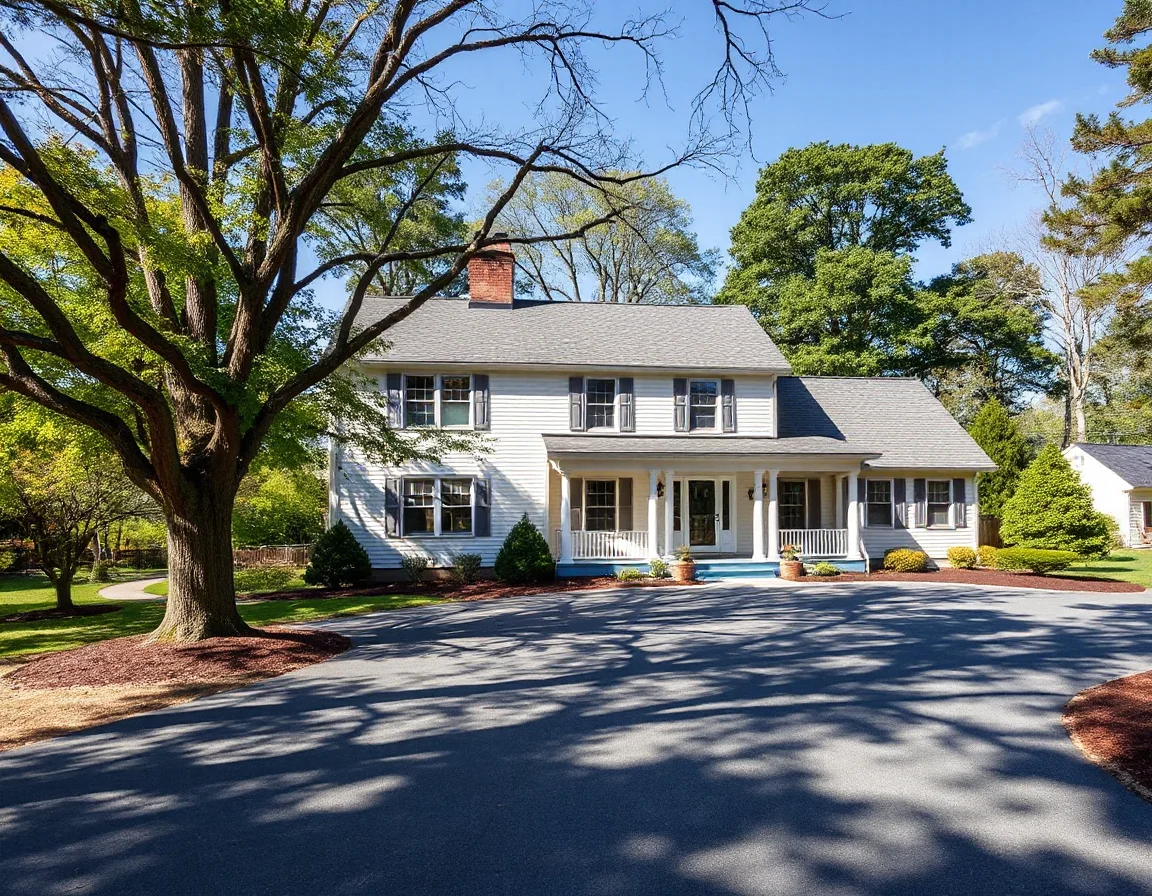
As pricing moves into the mid-range, often from the mid-$300,000s through the $500,000s, the options tend to widen considerably. Buyers may find more updated kitchens and baths, additional bedrooms, larger yards, garages, or floor plans that offer better separation between living and sleeping areas. In Spencer, that can mean established neighborhoods with a classic Central Massachusetts feel, where homes may sit on comfortable lots and provide a balance between indoor space and outdoor usability. In Charlton, buyers may notice inventory that reflects convenient access to regional routes while still offering a quieter residential setting, with colonials, raised ranches, and newer builds appearing more regularly in this tier.
One of the most important distinctions in this middle segment is how renovations influence price. Two homes with similar square footage can feel very different in value if one has updated mechanicals, refinished flooring, newer windows, and a modern kitchen while another needs work in several categories at once. That is why experienced local guidance matters. A buyer comparing homes across this range benefits from understanding not just list price, but also likely upkeep, resale positioning, and how each property stacks up against recent sales nearby.
How Features Change as Budget Increases
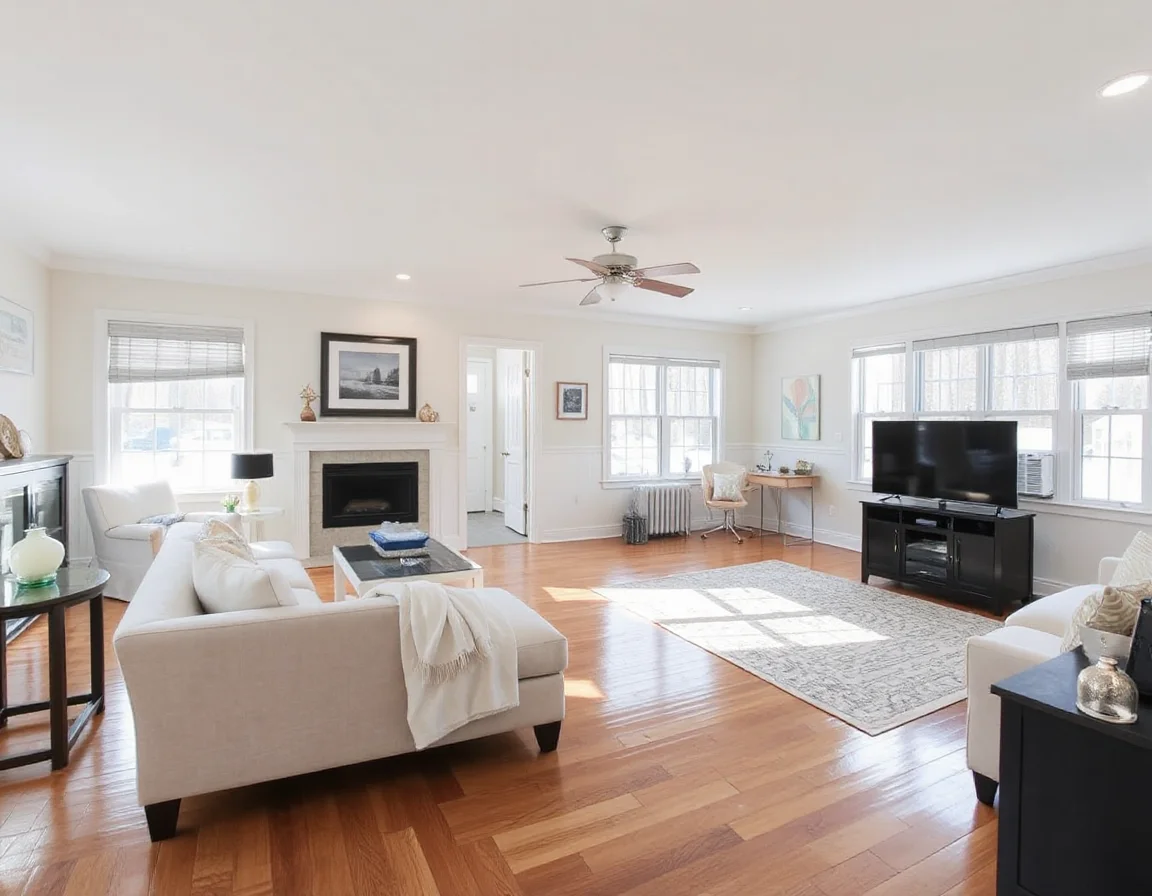
By the time buyers reach the upper half of the range, around $550,000 to $700,000, expectations can reasonably shift toward more square footage, stronger finish levels, and added flexibility in the layout. That may include open-concept main living areas, home office space, mudrooms, finished lower levels, larger primary suites, or improved outdoor amenities. Some homes may offer newer construction or major renovations that reduce the need for immediate post-closing projects. Others may stand out for acreage, detached outbuildings, or a more private setting.
What stands out in this bracket is not just size, but choice. Some buyers may prefer a newer home with contemporary finishes and efficient systems, while others may look for an older property with architectural detail, established landscaping, and room to personalize over time. In both Spencer and Charlton, buyers can encounter homes that lean rural, neighborhood-oriented, or commuter-conscious depending on exactly where they search. The key is recognizing that value in the upper range often comes from a combination of condition, land, utility, and scarcity rather than from square footage alone.
Charlton often attracts attention because of its position near major travel corridors, making it practical for people who need access to Worcester, Sturbridge, or points farther east and west. Spencer brings a different appeal, with a traditional town-center feel, local businesses, and access to outdoor recreation and nearby ponds that contribute to the area’s character. Neither town is defined by a single housing style, which is exactly why price comparisons can be so nuanced. A ranch on a generous lot, a colonial with recent updates, and a home with older finishes but stronger acreage can all compete within a similar price band for different reasons.
For anyone evaluating these communities, the surrounding amenities matter as much as the house itself. Daily errands, local dining, recreation areas, and school options all influence how a property functions in real life. Spencer and Charlton each offer a mix of practical conveniences and New England scenery, with seasonal landscape changes, local events, and access to parks and open space shaping the rhythm of the year. Those quality-of-life details do not replace hard numbers, but they do help explain why buyers often weigh more than just square footage when narrowing their search.
Market conditions can also reshape what a budget buys from one season to the next. In a tighter inventory environment, well-prepared homes at appealing price points may move quickly, especially if they combine good condition with a desirable lot or layout. In a more balanced market, buyers may gain leverage on inspections, closing timelines, or price adjustments tied to repairs. Understanding those shifts is part of making smart decisions, especially in a range as broad as $200,000 to $700,000, where buyer goals can vary significantly.
A Practical Way to Compare Value
Rather than asking only, “How much house can I get?” it often helps to ask a more revealing set of questions:
- How much immediate work will the property require?
- What features would be expensive to add later, such as garages, updated systems, or expanded living space?
- How does the lot, setting, and location affect long-term appeal?
- What comparable sales suggest strong value for the asking price?
- Does the layout support current needs without overpaying for unused space?
Those questions create a clearer picture of real purchasing power. A lower-priced home may offer strong upside if the structure and systems are solid. A mid-priced listing may be the sweet spot if it balances condition and space. A higher-priced property may justify the premium through updates, acreage, or a layout that would be difficult to duplicate without major renovation costs.

With nearly three decades of experience and deep roots in Massachusetts, Sandi Bedford of Century 21 North East helps clients sort through those variables with a practical, local perspective. In markets like Spencer and Charlton, that guidance can make the difference between reacting to a list price and truly understanding what a home offers. The most successful searches usually begin with clear priorities, realistic expectations, and a close look at how each property fits both the market and the buyer’s next chapter.
Ultimately, the $200,000 to $700,000 range around Spencer and Charlton is less about a single type of home and more about a series of trade-offs and opportunities. Some buyers will choose potential. Others will choose condition, land, or convenience. The advantage of exploring this part of Central Massachusetts is that the inventory often offers meaningful variety, giving buyers room to define value on their own terms while staying grounded in the realities of the local market.