
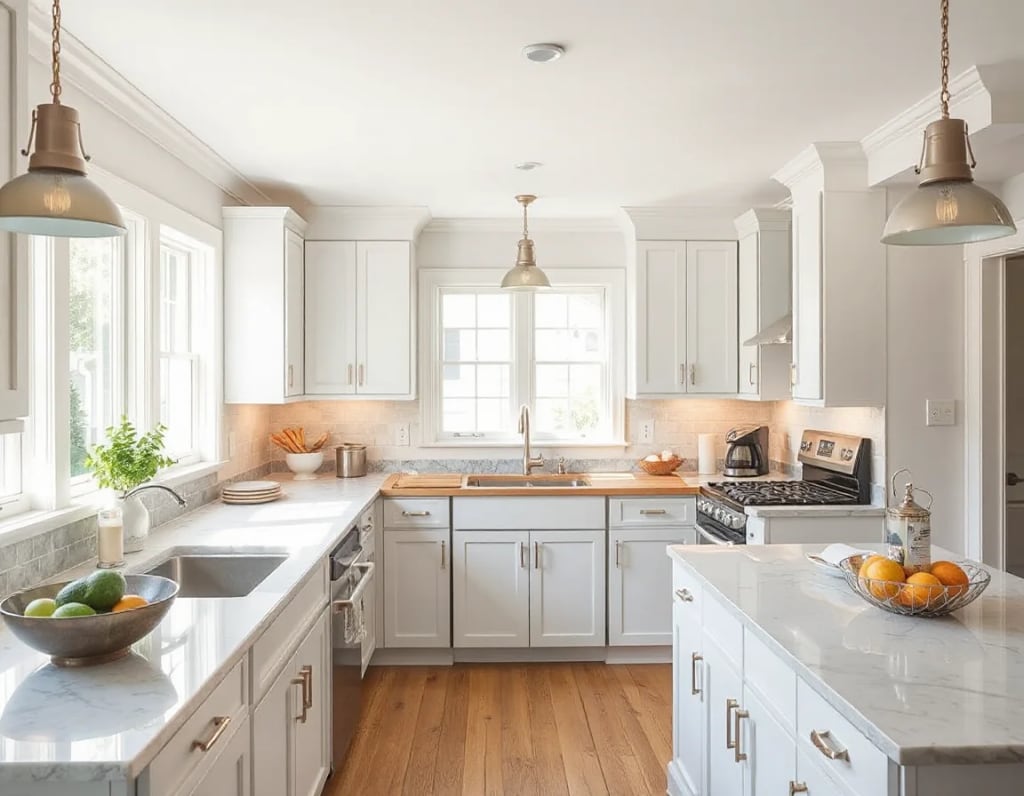
How to Prepare Your Central Massachusetts Home for Sale
How to Prepare Your Central Massachusetts Home for Sale
Getting a home ready for the market in Central Massachusetts is part strategy, part presentation, and part timing. Buyers often make quick judgments based on photos, first impressions, and how easily they can picture the layout working for their daily routines. A thoughtful pre-listing plan can help your property show at its best while reducing stress once showings begin. With changing seasonal conditions, older housing stock in many Massachusetts communities, and a wide range of buyer expectations, preparation matters.

Start with curb appeal. In many Central Massachusetts neighborhoods, buyers see a mix of classic Colonials, ranches, capes, and split-level homes, so exterior condition can strongly influence how a listing is perceived. Trim overgrown shrubs, edge the lawn, clear walkways, and make sure the front door, house numbers, lighting, and mailbox look clean and functional. If winter has left behind salt stains, damaged mulch, or worn railings, taking care of those details can create a cleaner introduction before anyone steps inside.
Exterior maintenance should also cover practical items that buyers notice quickly in this region. Gutters should be secured and clear, especially after heavy leaf seasons. Driveways and front steps should be free of cracking, weeds, or loose materials where possible. If you have a porch or deck, sweep it thoroughly and remove extra furniture so the area feels open and usable. In a market where weather conditions are part of everyday life, visible upkeep signals that the property has been consistently cared for.
Inside, the goal is not to erase personality completely, but to make each room feel spacious, bright, and easy to understand. Start by removing excess furniture that interrupts the flow of a room. Clear counters in kitchens and baths, reduce crowded shelving, and store away items that make surfaces feel busy. Many homes in Central Massachusetts include practical mudrooms, finished basements, or flexible bonus spaces, and these areas should be staged in a way that clearly communicates purpose. A room that feels ambiguous in person often feels even more confusing in listing photos.
Focus on Repairs That Build Buyer Confidence
Before listing, it helps to walk through the home with a critical eye and make a written checklist of repairs. Small issues can suggest bigger deferred maintenance, even when the underlying systems are sound. Leaky faucets, sticking doors, cracked switch plates, chipped trim, loose cabinet hardware, and burned-out light bulbs are relatively simple fixes that can improve the overall impression. In older New England homes especially, buyers tend to pay attention to signs of upkeep because age and character often come with questions about systems and maintenance history.
Major components deserve attention as well. If the furnace has been serviced recently, the roof has been updated, or windows have been replaced, gather documentation so those improvements can be communicated clearly. Clean utility areas and mechanical spaces even if they are not glamorous. A neat basement, organized storage area, or well-maintained laundry zone can quietly reinforce confidence in the property. If there are concerns around peeling paint, worn caulking, dated fixtures, or visible water marks, it is often better to address them before the home goes live than to let buyers speculate during showings.
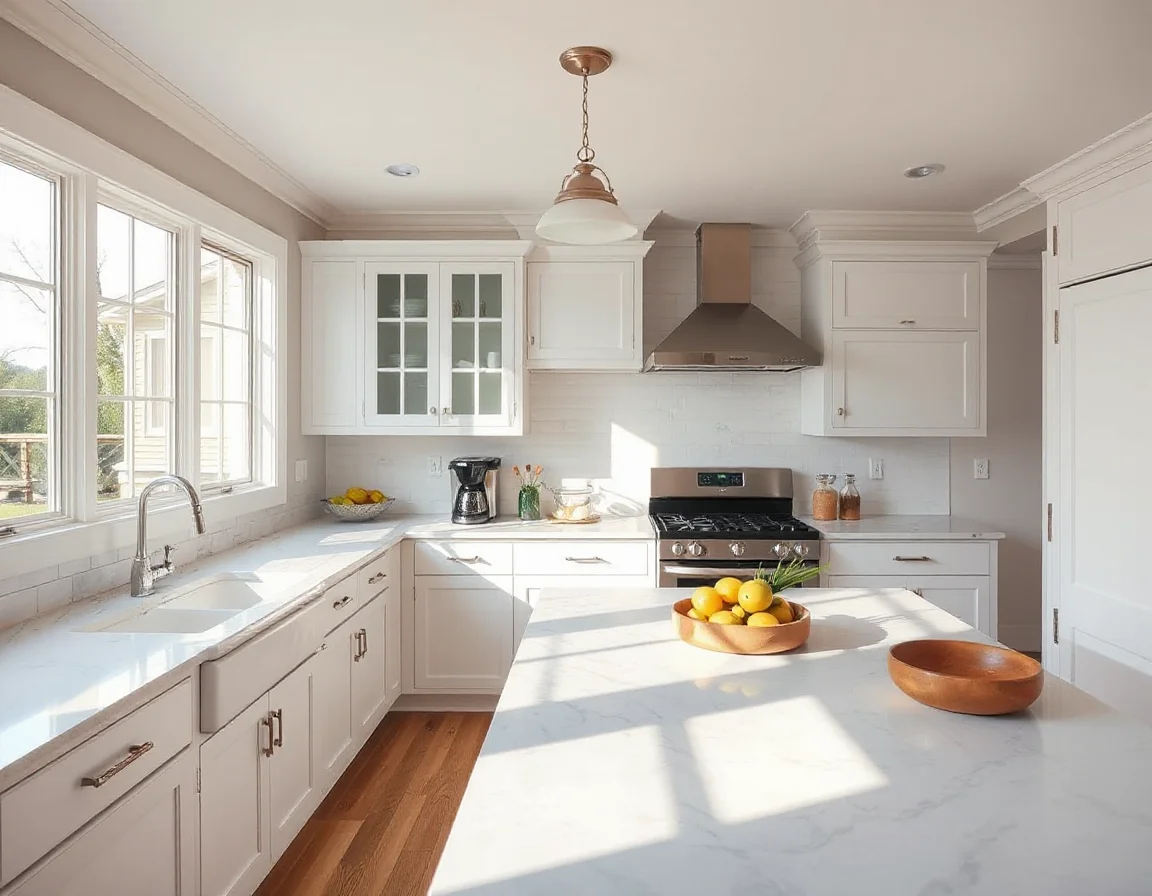
Cleanliness has a direct impact on perceived value. Deep cleaning should go beyond the obvious surfaces. Wash windows, wipe baseboards, dust light fixtures, clean grout, and neutralize pet or cooking odors. Hardwood floors should be polished if appropriate, carpets should be cleaned, and tile should look fresh. Kitchens and baths tend to carry extra weight in buyer decision-making, so these rooms deserve special attention. Even modest spaces can feel more appealing when they are spotless, uncluttered, and well lit.
Lighting is another simple but powerful upgrade. Open blinds and curtains to maximize daylight, replace dim bulbs with matching warm-white or soft-white bulbs, and use every available fixture during showings. Because Central Massachusetts sees long winters and variable weather, interior brightness can significantly affect the mood of a home. A bright room tends to feel larger, more inviting, and better maintained. If paint colors are very bold or dark, a neutral repaint may help rooms photograph better and appeal to a broader range of buyers without distracting from the home's architecture and features.
Prepare for Photos, Showings, and Seasonal Conditions
Once the home is physically ready, presentation for marketing becomes the next priority. Professional listing photos work best when every room is simplified and intentional. Beds should be neatly made with coordinated linens, towels should be fresh and minimal, and surfaces should be largely clear except for a few tasteful accents. Entryways should feel open, dining areas should be balanced, and home offices or flex rooms should have a clear visual purpose. The camera notices clutter, tangled cords, and mismatched decor more than people expect.
Seasonal planning is especially important in this part of Massachusetts. In spring and summer, fresh mulch, trimmed greenery, and potted plants can make an immediate difference. In fall, leaf cleanup is essential, and outdoor spaces should still look maintained even as the landscape changes. In winter, safe access matters: keep walkways shoveled, steps treated, and entry mats in place so visitors can come in comfortably. A clean, dry, and warm interior on a cold day creates a much stronger impression than one that feels dim, cramped, or damp from tracked-in weather.
It also helps to think ahead about the showing process itself. Secure valuables, store medications and sensitive paperwork, and create a simple routine for quick departures before appointments. If possible, keep laundry out of sight, limit countertop appliances, and maintain a daily reset of the main living spaces. The easier your home is to show on short notice, the more opportunities buyers have to see it. Flexibility can matter, especially during active periods when well-prepared homes attract fast attention.

Pricing strategy and preparation should work together. Even in a market where demand may be strong, buyers still compare condition, layout, updates, and location details across multiple listings. A home that is priced appropriately and presented well often generates stronger initial interest than one that needs obvious work or lacks visual readiness. Preparation does not always require a full renovation. Often, the best return comes from targeted improvements, careful staging, and a clear understanding of what buyers are noticing in the current market.
Working with an experienced local real estate professional can help you prioritize what matters most before you list. With nearly three decades of real estate experience and deep roots in Massachusetts, Sandi Bedford of Century 21 North East helps sellers navigate market conditions, evaluate the transaction process step by step, and focus attention on the updates that can improve presentation and buyer response. For homeowners in and around the Spencer area and throughout Central Massachusetts, a practical plan before listing can make the entire sale feel more organized, more efficient, and more successful from day one.